Author: Canace Chen

  • Week04

    Week04

    Audience and Persona

    Target Audiences
    •General public with limited knowledge of artificial coral reefs

    •Environmental advocates and educators

    •Young learners (primary and secondary school students)

    •Visitors new to interactive installations and museums

    •Policy influencers interested in environmental communication

    User journey

    Name: Alex Carter
    Age: 25
    Background: Marine Biology Enthusiast / Creative Technologist / Conscious Consumer
    Interests: Environmental conservation, interactive art, technology’s role in sustainability, immersive storytelling

    1. Arrival & First Impressions

    • Alex enters the dimly lit space, surrounded by an ambient soundscape of distant underwater echoes and marine life sounds.
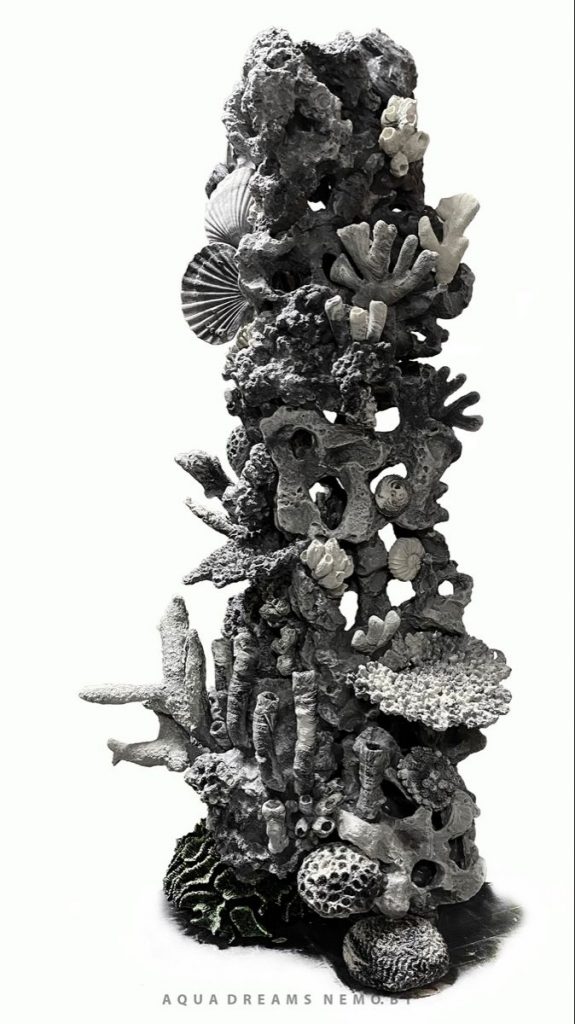
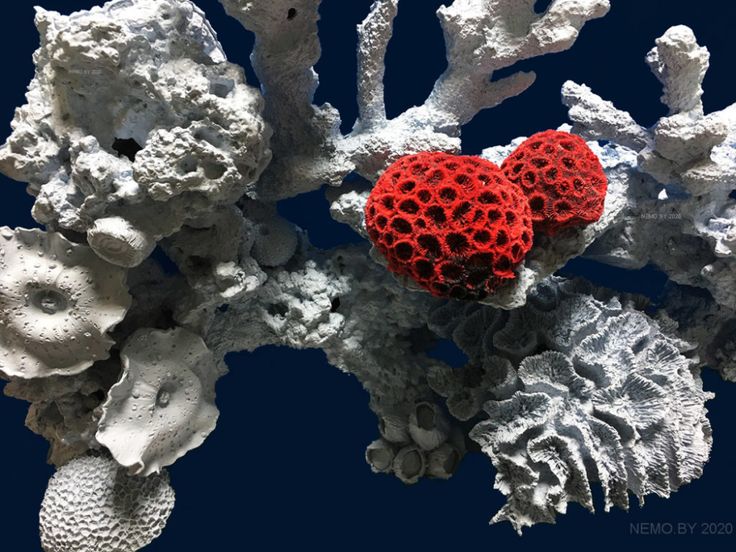
    • The synthetic coral sculpture immediately catches their eye—some parts glow with bioluminescent vibrancy, while others appear damaged and lifeless.

    2. Exploration & Discovery

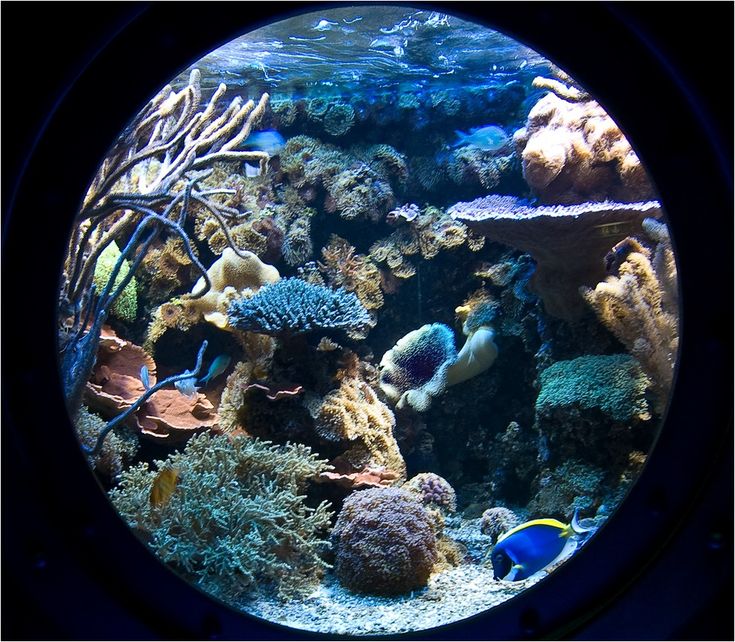
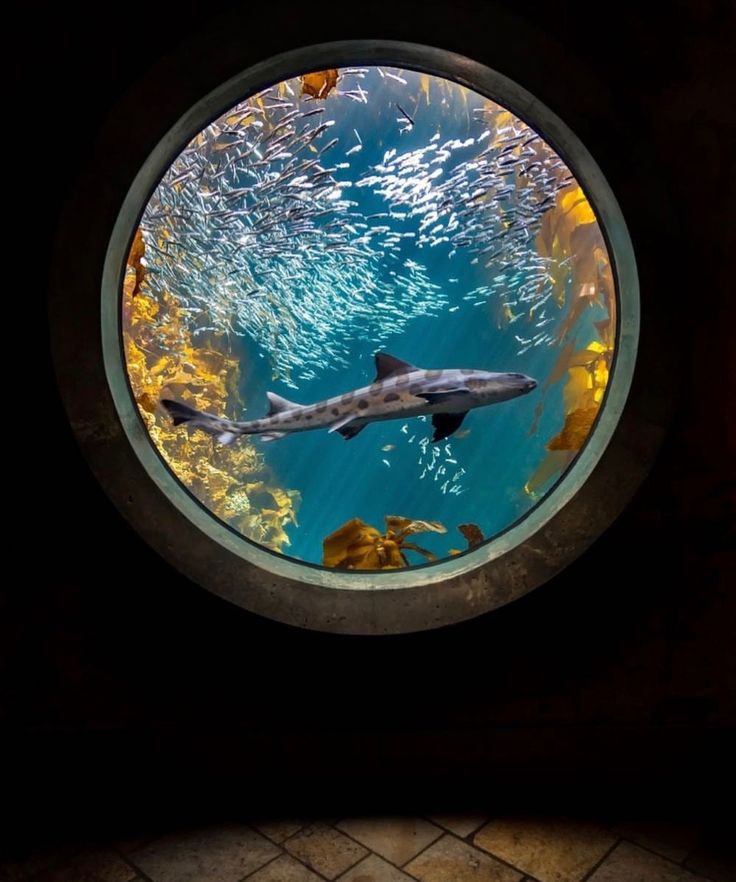
    • Alex moves closerAnd sees periscopes mounted at various points and decide to look through one.
    • One periscope displays a real-time underwater webcam, revealing a thriving artificial reef.
    • Another presents a data visualisation showing coral growth rates and biodiversity shifts.

    3. Emotional & Ethical Realisation & Call to Action

    • The interactive elements make Alex feel hopeful about artificial reefs, yet uneasy about the lifeless reef sections—reminding them that technology alone isn’t enough.
    • At the end of the experience, a question is printed on a board,“If we can rebuild, does that mean we can afford to destroy?”

    4. Departure & Lasting Impact 

    • As Alex exits, they feel more informed about artificial reefs—not just their promise, but their limitations and moral implications.

    Name: Mia Thompson
    Age: 9
    Background: A curious and energetic child visiting with her school class. She has been to aquariums but doesn’t know much about coral reefs or artificial reefs.
    Interests: Hands-on activities, vibrant colors, interactive elements, storytelling

    1. Arrival & First Impressions 

    • Mia steps into the darkened space, immediately drawn to the coral sculpture. The contrast between bright, colorful sections and dull, lifeless ones makes her curious.
    • The ambient underwater sounds and moving lights make her feel like she’s “diving” into the ocean.

    2. Exploration & Discovery

    • She runs to a periscope and looks inside. A simple animation explains that corals are “homes for fish” and that artificial reefs are like “underwater cities.”
    • Another periscope lets her see the underwater world in live.

    3. Emotional & Ethical Realisation & Call to Action

    • She walks around the coral from the vibrant sections to lifeless sections where steels and tyres exposes in air. She feels bad for the fishes to lose their beautiful home.
    • She starts asking her teacher, “What can I do to help corals?”

    4. Departure & Lasting Impact 

    • When she gets home, she tells her parents about what she learned, proudly explaining that “Corals can be saved, but we have to take care of them first!”

    Name: David Jackson
    Age: 52
    Background: A factory worker who has never visited an art installation before. He didn’t have the opportunity to learn much about marine ecosystems in school and isn’t familiar with interactive technology.
    Interests: Hands-on learning, real-world applications, stories over abstract concepts

    1. Arrival & First Impressions

    • David enters the space and feels slightly out of place. The darkened environment and glowing corals are unfamiliar but intriguing.
    • He notices others interacting with the periscopes and sculptures, so he cautiously approaches one himself.

    2. Exploration & Discovery 

    • He looks through a periscope and learns about artificial coral reefs through a short animation.
    • Then he moves onto another periscope which display a visualisation of the data on coral reef’s performance, deepening his understanding of the purpose of this technology.

    3. Emotional & Ethical Realisation & Call to Action

    • He only learned about artificial reefs for the first time, and while he enjoyed exploring the installation, he concerns about the future of coral reefs and the marine lives.
    • The words on the board “If we can rebuild, does that mean we can afford to destroy?” makes him start to think about what human has done to the marine ecosystems.

    4. Departure & Lasting Impact 

    • He later talks to his families about what he saw, saying, “Did you know people has been building coral reefs? But it’s still better not to ruin the ocean in the first place.”

    Reeflection

    Diving into academic literature and creating audience personas this week really shifted my perspective on the project. I realised how crucial it is to design for specific needs and contexts, rather than trying to please everyone. Developing the personas was surprisingly helpful—it made me think deeply about how different people might engage with my installation, what they might feel, learn, or question. It was a useful exercise in empathy, reminding me to keep audience experience at the heart of my creative decisions.
  • Week03

    Week03


    Gantt Chart + Concept Design + Initial Model

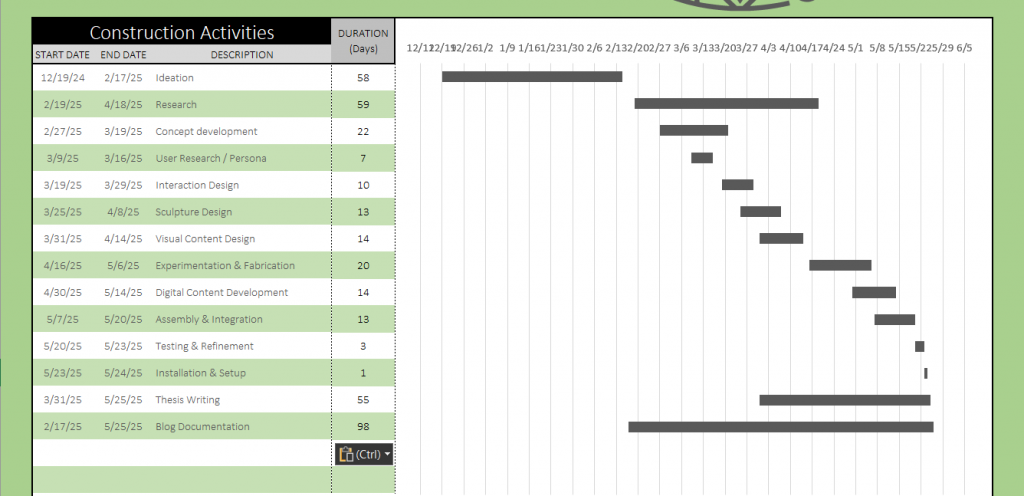
    Gantt Chart

    Ideation (12/13/24 – 2/16/25, 66days)
    This is the brainstorming phase, where all the initial ideas come together. I left out the Christmas and exams period, so although it seems to be a long duration, it was only 10-15 days.

    Research (2/19/25 – 4/18/25, 59 days)
    Right after ideation, I dive deep into research to gather all the needed background info.

    Concept Development (2/27/25 – 3/19/25, 22 days)
    While research is still going,I start shaping the main concept.

    User Research / Persona (3/9/25 – 3/16/25, 7 days)
    This is a short phase focused on understanding the target users and building personas.

    Interaction Design (3/19/25 – 3/29/25, 10 days)
    Here, I’ll work on how users will interact with the project or product.

    Sculpture Design (3/25/25 – 4/8/25, 13 days)
    Designing the physical or visual parts, tied to the artistic side of things.

    Visual Content Design (3/31/25 – 4/14/25, 14 days)
    Creating all the visual materials and assets needed.

    Experimentation & Fabrication (4/16/25 – 5/6/25, 20 days)
    This is when I’ll test ideas and starts building prototypes or physical pieces.

    Digital Content Development (4/30/25 – 5/14/25, 14 days)
    Working on digital parts, maybe things like media, software, or online content.

    Assembly & Integration (5/7/25 – 5/20/25, 13 days)
    Pulling everything together into a working whole.

    Testing & Refinement (5/20/25 – 5/23/25, 3 days)
    A quick but important phase to test and make last tweaks.

    Installation & Setup (5/23/25 – 5/24/25, 1 day)
    Getting everything in place and ready to go live or be presented.

    Thesis Writing (3/31/25 – 5/25/25, 55 days)
    Writing up the formal report or thesis alongside the hands-on work.

    Blog Documentation (2/17/25 – 5/25/25, 98 days)
    Keeping a blog or journal updated throughout the whole project to track progress and share updates.

    Moodboard

    https://www.teamlab.art/w/sketch_ocean

    Concept Design

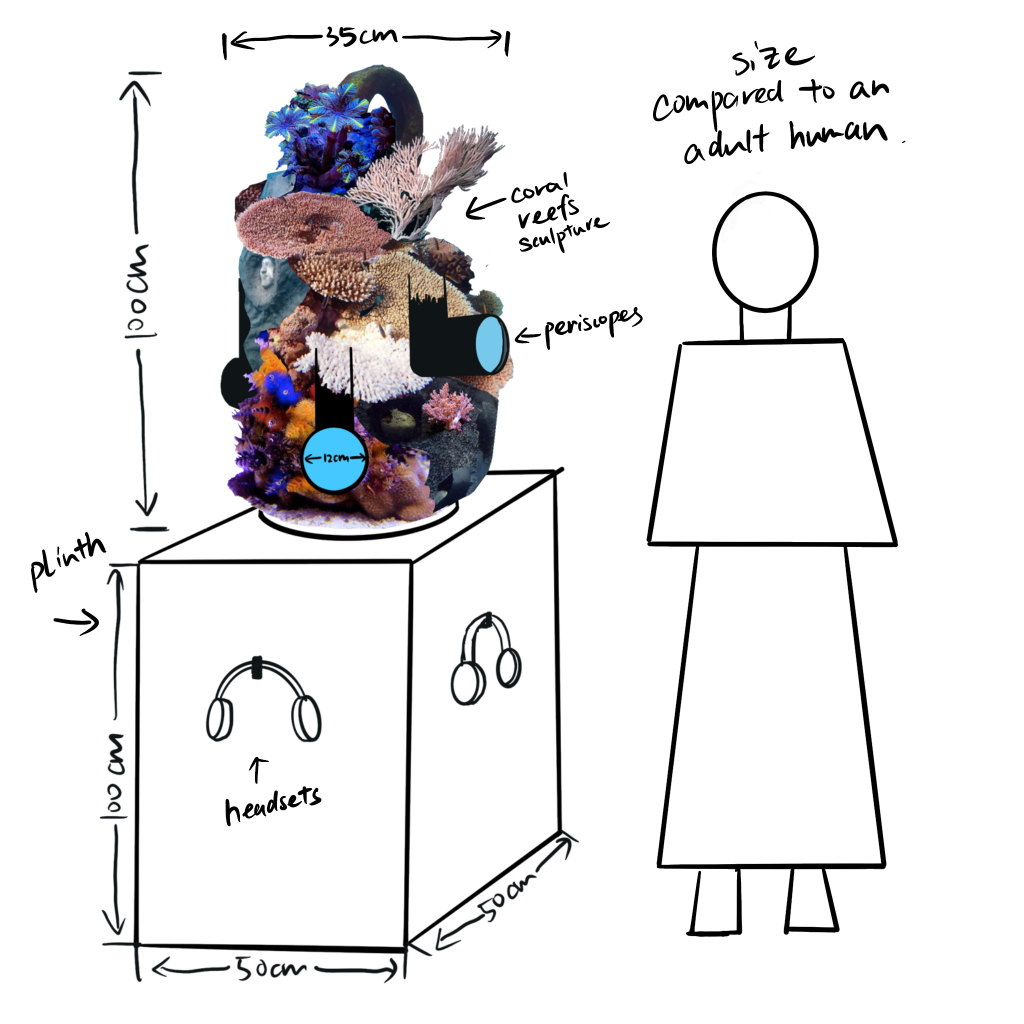
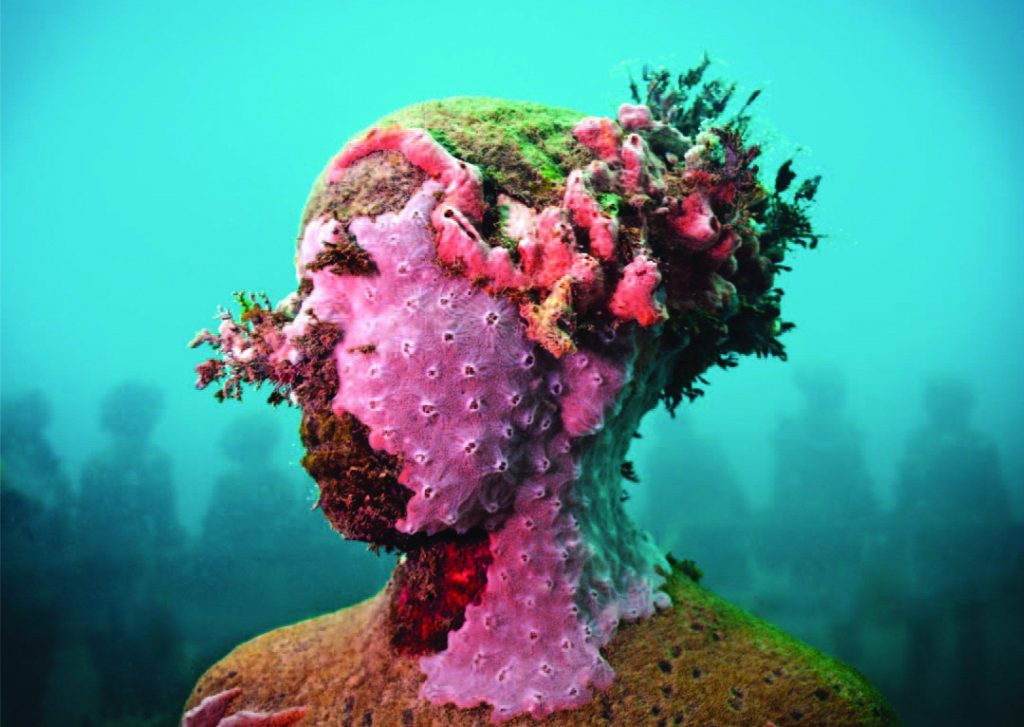
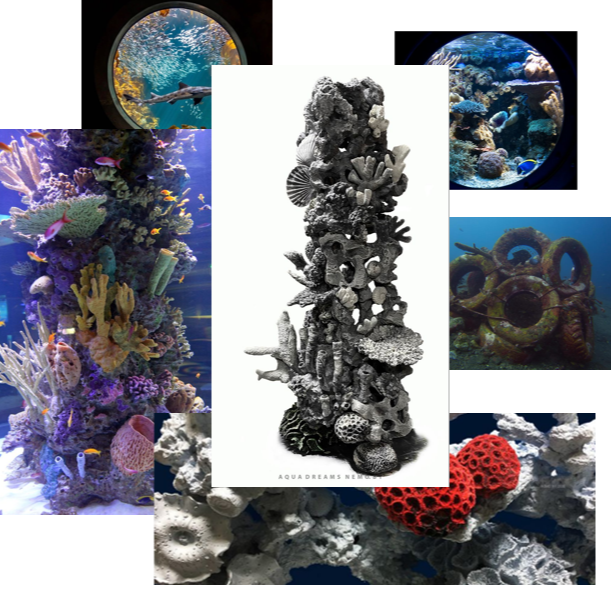
    I started by sketching some quick concept designs based on everything I learned last week. At first, I found it surprisingly hard to translate all my ideas into something visual. How could I show the balance between nature and artificiality clearly? I kept thinking back to Jason deCaires Taylor’s sculptures, which were elegant and naturalistic, but I also wanted something more explicitly synthetic and technological in my design.

    Eventually, I settled on a simple, organic structure that felt coral-like but had clearly mechanical or industrial elements. It’s hard to describe exactly, but imagine something natural and technological simultaneously—like if nature itself decided to mimic human machinery. It felt like a good representation of the complexity of artificial reefs.

    Initial Model

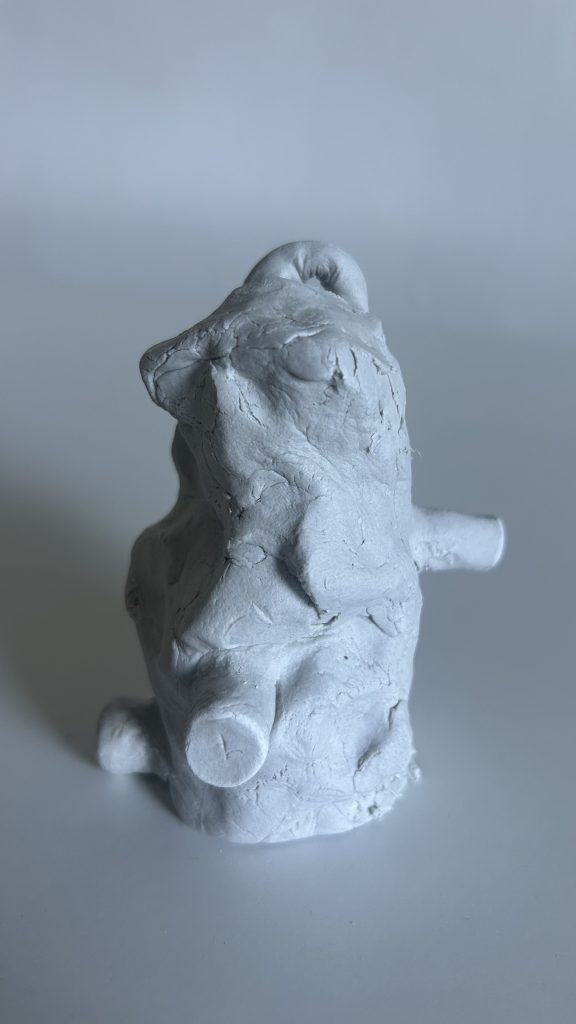
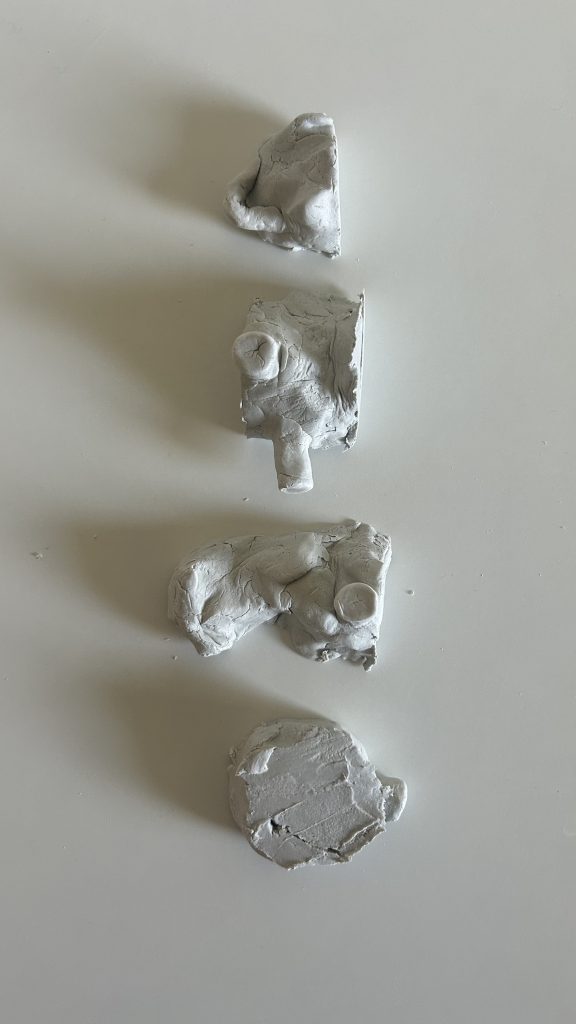
    Then came the actual clay modelling. At first, I was genuinely excited—clay seemed like the perfect medium to start with because it’s cheap, easy to find, and super forgiving. But very quickly, I realised there was a big learning curve. It took me ages just to knead and shape it into something resembling coral. I never thought I’d be spending so much time figuring out how to get clay to hold its shape properly!

    At one point, I tried to make a coral branch structure, and it kept collapsing under its own weight. That was honestly so frustrating—I felt like I was fighting gravity. Eventually, after some online tutorials, I learned about using armatures (basically, internal skeletons) to support larger shapes. It made things easier, but even then, my first prototype cracked and broke. I guess that’s why they call it prototyping, right?

    After a few more tries, I finally got something decent-looking—a small-scale model of my imagined sculpture. Seeing it physically was incredibly motivating. It wasn’t perfect, obviously, but it made the project feel real for the first time. I could finally visualize how the screens, periscopes, and digital elements might integrate with the sculpture.

    Reeflection

    I’ve learned a lot this week, especially about patience and accepting imperfections. Physical prototyping is messy and unpredictable—nothing like the neatness of digital work or the theoretical world of research. But that’s exactly why I love it. There’s something deeply satisfying about seeing your idea slowly emerge from a lump of clay, flaws and all.

    Next week, I’m diving back into research—this time focusing on developing audience personas and diving deeper into academic literature. Honestly, I’ll miss getting messy with the clay, but I’m excited to further define who my project is actually for.

  • Week02

    Week02

    Research

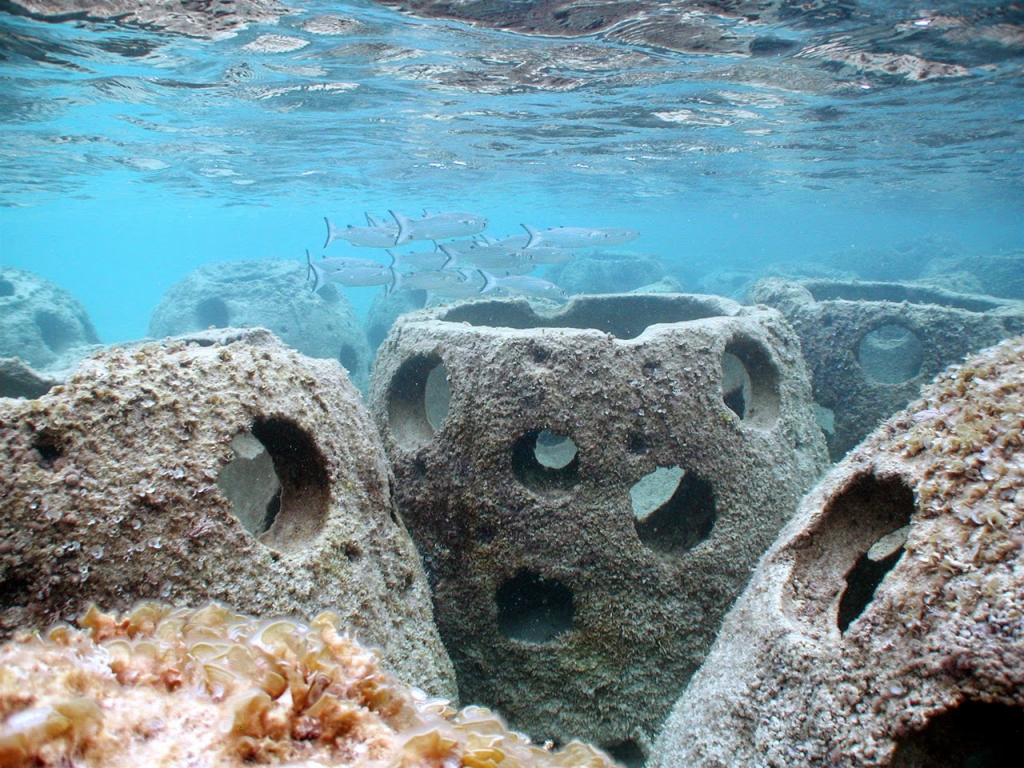
    I started by looking into real-world examples of artificial reefs. Some projects completely fascinated me. One successful case I found was in Pulau Weh, Indonesia. Researchers placed hundreds of concrete and plastic modules underwater, and over just three years, fish abundance and species diversity dramatically increased. Honestly, I felt really encouraged—like maybe human intervention really can help undo some of the damage we’ve caused to nature. But then, of course, things got more complicated.

    I stumbled upon the disastrous story of the Osborne Reef in Florida. In the 1970s, about two million tyres were dumped offshore, intended to serve as reefs. Instead, storms moved the tyres around, severely damaging the existing natural coral ecosystems. It shocked me to read that, after decades, they’re still struggling to clean up the mess. It made me realise just how delicate this balance between human technology and natural ecosystems really is—and how important careful planning and ethical considerations are.

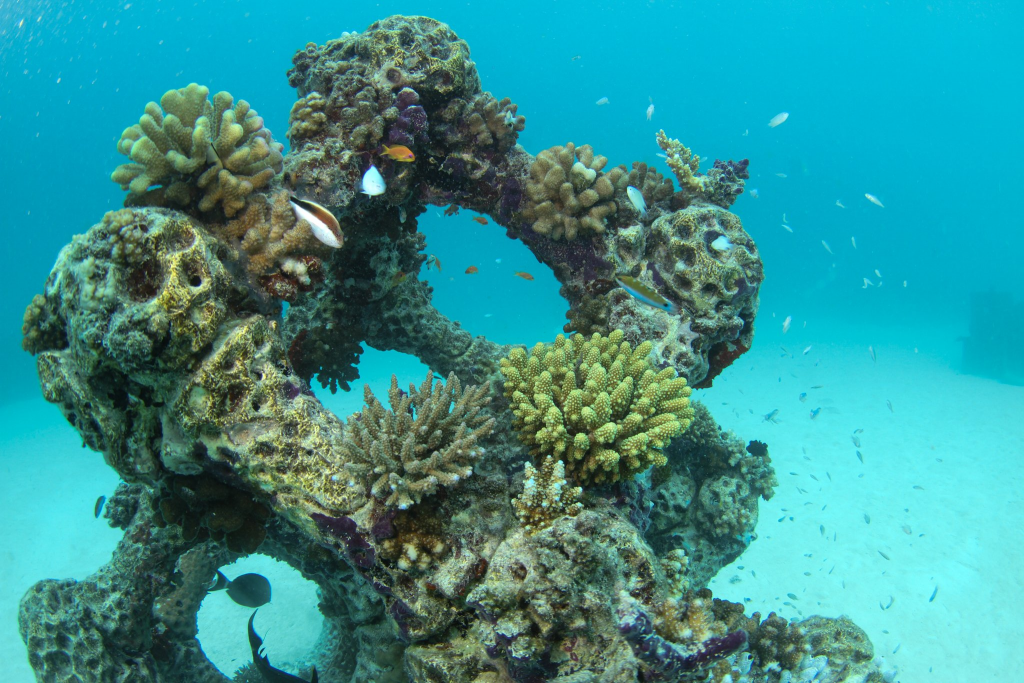
    Then came the inspiring art projects. I found myself completely absorbed by the works of Jason deCaires Taylor. His sculptures are breathtaking—artfully crafted figures submerged underwater, slowly becoming colonised by marine life. It wasn’t just about aesthetics; it was about creating something genuinely beneficial to the environment, helping restore ecosystems and diverting tourists away from fragile natural reefs. I loved the idea of “ecological fitting,” where nature gradually integrates and transforms the sculptures, turning them into something genuinely alive.

    Refik Anadol’s projects were completely different but equally mind-blowing. Instead of physical sculptures, he uses massive datasets and AI to generate abstract digital reefs—capturing both the beauty and fragility of coral ecosystems. His work felt both poetic and scientific, and it gave me a lot of ideas about how I could represent coral data visually in my own installation.

    This research phase has given me a clearer sense of direction. I’m starting to understand the complexity of artificial reefs—both their potential and their pitfalls. It’s fascinating but also a little daunting. One big question I keep thinking about is whether technology can ever truly replace what nature has built, or if we’re sometimes just fooling ourselves into thinking we can easily repair the damage we’ve caused.

    Jason deCaires Taylor:

    Film – Underwater Sculpture by Jason deCaires Taylor

    Critics: https://blogs.nicholas.duke.edu/think-re-think-re-solve/art-as-an-artificial-reef-as-good-as-it-sounds/

    Refik Anadol:

    https://www.bing.com/videos/riverview/relatedvideo?q=refik+anadol+coral+reefs&&mid=845F801F5F8CE96E7694845F801F5F8CE96E7694&&mmscn=stvo&FORM=VRDGAR

    https://verse.works/artworks/c82e82f4-c14d-43e2-9457-b7dc5f80036e/75000017

    Miami Sculpture Park:

    FY25Q1 CC FY25Q1 AX uk en Earl of East PRO 15sInstreamSkip Google Ads VID 16×9 NA NA

    https://www.scubadiving.com/are-artificial-reef-exhibits-new-era-scuba-diving-underwater-art-museums

    Paper: The Underwater: Using Art to Engage Communities Around Climate Action

    Choosing artificial reefs over natural reefs for diving:

    https://www.sciencedirect.com/science/article/pii/S0048969723041116

    Socio-economic considerations:

    (PDF) Socio-economic aspects of artificial reefs: Considerations for the Great Barrier Reef Marine Park

    Artificial reeds design (material):

    fetch-libre.pdf

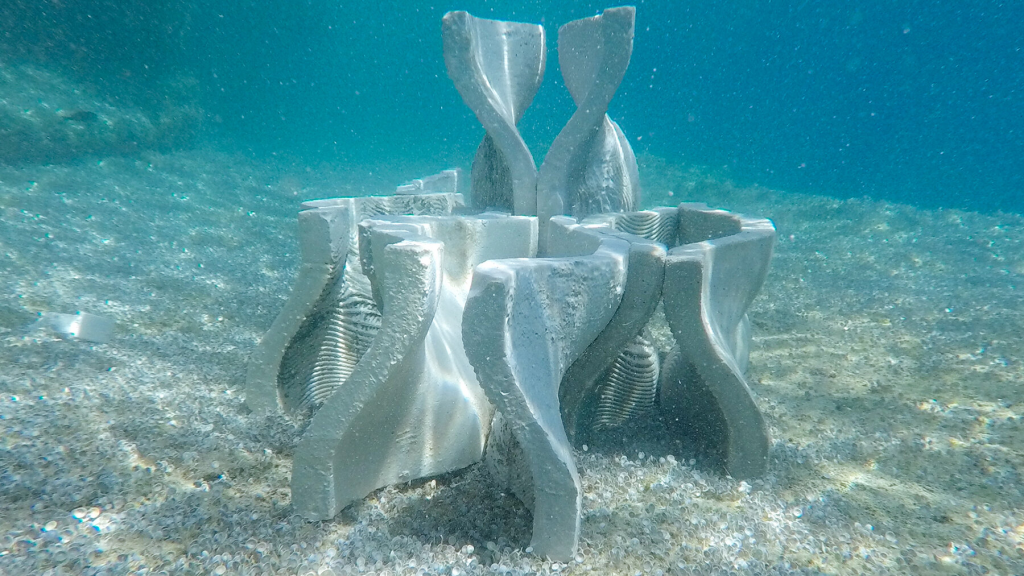
    Artificial reefs built by 3D printing: Systematisation in the design, material selection and fabrication

    Artificial reef design: void space, complexity, and attractants

    artificial_reef_a_review-libre.pdf (note it was written in 1985)

    **MBARA_Guidelines_for_Marine_Artificial_Reef_Materials_January_2004_March6_2023.pdf

    *noaa_40381_DS1.pdf

    Design and Construction of Artificial Reefs in Malaysia: Ingenta Connect

    Other methods to restore reefs compared to artificial reefs:
    abelson-2006-reef-restoration.pdf

    Effectiveness:

    Aquatic Conservation: Marine and Freshwater Ecosystems | Aquatic Journal | Wiley Online Library

    Problems: can’t find underwater live web cam of artificial reefs, can’t find datasets on failed artificial reefs

    Rethinking Artificial Reef Structures through 3D Clay Printing | ArchDaily

    Reeflection

    This week really broadened my understanding of artificial reefs—both practically and creatively. Researching various projects and artists made me see the topic not just as an ecological solution, but as an emotional and artistic statement. The works by Jason deCaires Taylor especially resonated, inspiring me to think about how my own project could bridge art, science, and public engagement.

  • Week01

    Week01

    Brainstorming

    Topic 1: theatre

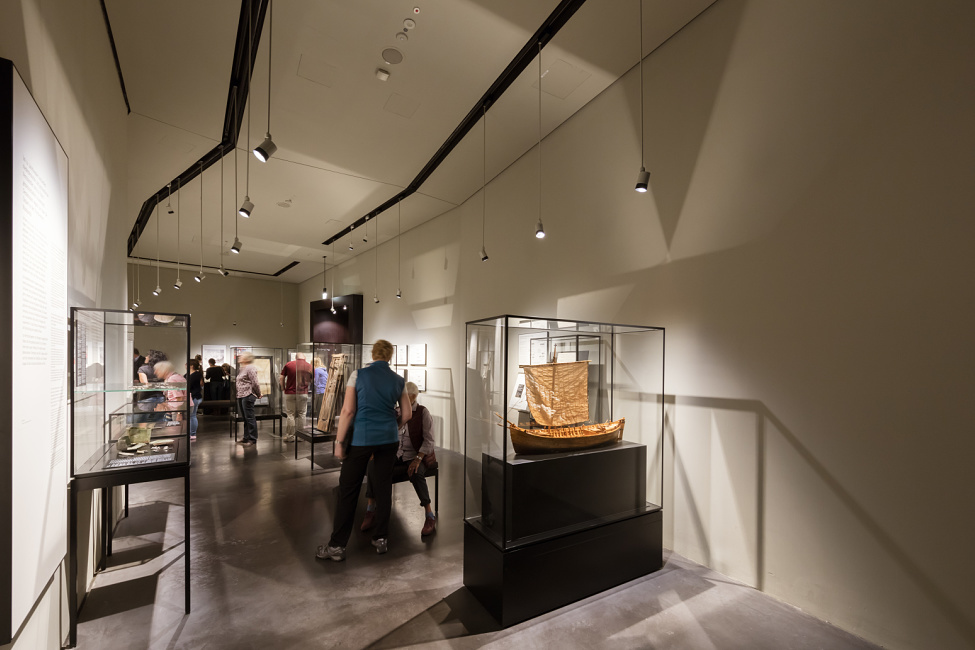
    The mini theatre idea came from my fascination with immersive performances and storytelling. I envisioned creating a tiny, intimate theatre space where viewers could engage closely with a narrative—maybe something interactive or multisensory. It sounded fun and theatrical, but also quite complex in terms of execution.

    Topic 2: Artificial Reef

    Then there was the artificial reef idea. Growing up close to the Great Barrier Reef has always made me passionate about marine ecosystems. The concept of creating an artwork that raises awareness about coral restoration felt meaningful and important. The more I thought about this idea, the more I got excited imagining different visual elements, the interactive possibilities, and its environmental impact. It resonated with me on a personal level more than the others.

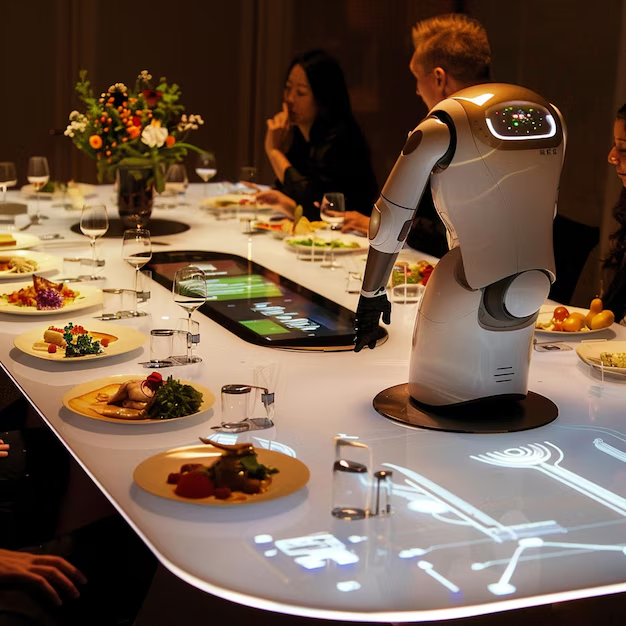
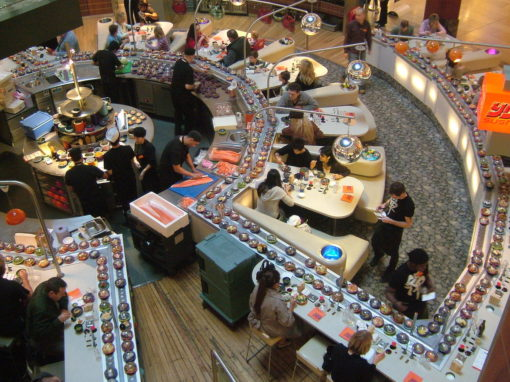
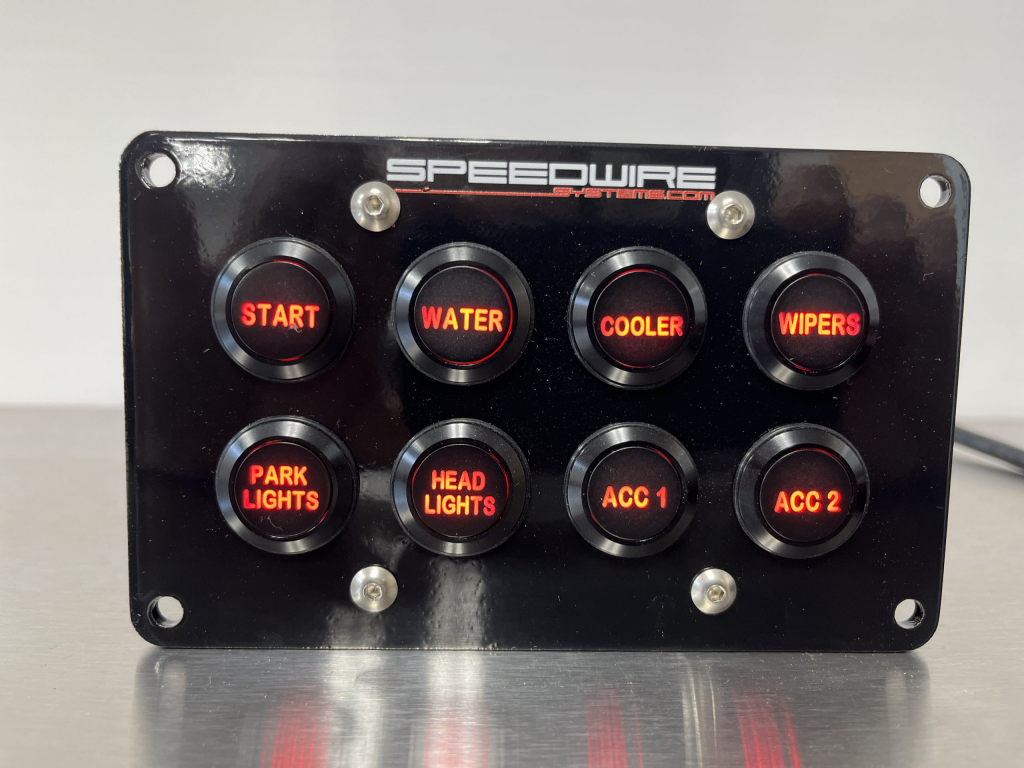
    Topic 3: Something Practical (Table service panel)

    Next, I thought about a table service panel—basically an interactive ordering system for restaurants. It seemed practical, focusing on user experience and interface design. It definitely had potential for some sleek, intuitive designs, but I wasn’t entirely sure it would sustain my enthusiasm for an entire semester.

    Reeflection

    This first week felt exciting but also a bit overwhelming. Jumping between different ideas—mini theatre, artificial reefs, restaurant ordering panels—reminded me how challenging it can be to settle on something meaningful. It was a valuable reminder to trust my instincts and let curiosity guide me. Although I felt unsure at first, exploring multiple directions made me realise how drawn I was to artificial reefs and their deeper implications. It reinforced that the best ideas often emerge from genuine curiosity rather than overthinking.